
Best Filipino Condiments for Cooking at Home
Share
A bottle of toyo beside suka is the starting point of countless Filipino meals. Add a jar of bagoong, a squeeze bottle of banana ketchup, and a packet of seasoning granules, and an ordinary U.S. pantry can begin to cook like home. The best Filipino condiments for cooking are not only finishing sauces. They build the savory, sour, sweet, salty, and deeply familiar flavors behind everyday adobo, sinigang, pancit, fried rice, and grilled dishes.
For Filipino households, these are the brands and staples that make recipes feel right without overcomplicating dinner. For cooks new to Filipino food, they offer a practical way to understand the cuisine one flavor at a time. Start with the essentials, then choose based on the dishes your family makes most often.
Best Filipino Condiments for Cooking: The Everyday Essentials
Soy sauce (toyo)
Soy sauce is one of the most-used pantry staples in Filipino cooking. It provides salt, color, and savory depth for adobo, pancit, fried rice, marinades, dipping sauces, and braised meats. Filipino-style soy sauces such as Silver Swan and Datu Puti are familiar choices because their flavor is designed for the dishes many families grew up eating.
Use soy sauce with vinegar for a quick sawsawan for grilled fish, lumpia, or barbecue. For adobo, it is usually cooked with vinegar, garlic, bay leaves, peppercorns, and meat. The trade-off is saltiness: brands vary, so taste before adding extra salt or fish sauce. If a recipe calls for a light soy sauce from another cuisine, Filipino toyo can still work, but begin with a little less.
Cane vinegar (suka)
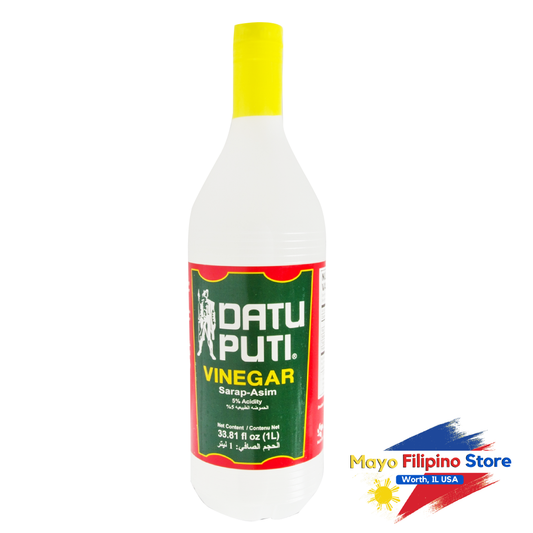
Vinegar is just as central as soy sauce. Filipino cane vinegar has a clean tang that cuts through rich pork, fried foods, and oily fish without taking over the dish. Datu Puti cane vinegar is a familiar all-purpose choice for adobo, atsara, dipping sauces, and quick pickles.
A simple sawsawan can be made with cane vinegar, chopped garlic, black pepper, and chilies. Some households add soy sauce, while others keep the vinegar sharp and clean. When cooking adobo, resist stirring immediately after adding vinegar. Let it simmer first so the raw acidic edge cooks off, then adjust the balance to your taste.
Fish sauce (patis)
Patis brings a salty, fermented depth that is different from soy sauce. A few dashes can make munggo, ginisang gulay, pinakbet, sinigang, arroz caldo, and seafood dishes taste more complete. It is especially useful when a dish needs seasoning but soy sauce would make it too dark.
The aroma can be strong straight from the bottle, but it softens in the pan. Add patis early with garlic and onions when sautéing, or use it at the end in small amounts. Good patis should support the other ingredients, not make the whole dish taste like fish. That is why measuring lightly and tasting as you go matters.
Oyster sauce
Oyster sauce is a dependable shortcut for savory stir-fries. It adds a glossy finish and mild sweetness to beef with broccoli, chop suey, pancit canton, stir-fried green beans, and noodles. Brands such as Mama Sita’s and Lee Kum Kee are common in Filipino kitchens, though each has a slightly different sweetness and thickness.
For everyday cooking, oyster sauce works best as one part of the seasoning rather than the only one. Pair it with a little soy sauce, pepper, and cooking liquid for a balanced sauce. Because it is already salty and often contains sugar, use restraint with additional seasonings.
Banana ketchup
Banana ketchup is unmistakably Filipino. Sweet, tangy, and usually bright red, it is a table favorite with hotdogs, fried chicken, tortang giniling, and breakfast meats. It is also a cooking ingredient, not just a dip. Use it for Filipino spaghetti sauce, barbecue marinades, sweet-style meat sauces, and homemade tocino-inspired glazes.
The sweetness is the point, so it will not replace tomato ketchup in every recipe. If you want the classic Filipino spaghetti flavor, though, banana ketchup helps create that recognizable sweet-savory profile. It also gives grilled pork or chicken a shiny caramelized finish when mixed with soy sauce, garlic, and a little calamansi or lemon.
Fermented Flavor for Traditional Dishes
Shrimp paste (bagoong alamang)
Bagoong alamang is fermented shrimp paste, available in salty, sautéed, sweetened, or spicy varieties. It is essential for kare-kare, where a spoonful on the side provides the salty contrast the rich peanut sauce needs. It is also used in binagoongan pork, green mango dips, and sautéed vegetable dishes.
Choose the style based on the dish. Plain salted bagoong can be cooked with garlic, onions, pork, and sugar for a more customized flavor. Ready-to-eat sautéed bagoong is convenient for kare-kare or mangoes. It has a powerful flavor, so start with a small spoonful, especially if you are serving guests unfamiliar with fermented seafood.
Fish paste (bagoong isda)
Bagoong isda is fermented fish paste or sauce, commonly associated with dishes such as pinakbet and some regional vegetable preparations. It adds a deeper fermented character than patis and should be used with care. A small amount can season a whole pot of vegetables, especially bitter melon, eggplant, squash, okra, and beans.
This is a condiment worth keeping if you cook Ilocano-style dishes or want a more traditional flavor in vegetable stews. It is less flexible than soy sauce or vinegar, but that specificity is exactly what makes it valuable.
Crab paste (aligue)
Aligue, or crab fat paste, is a specialty condiment for cooks who want rich seafood flavor in pasta, rice, sauces, and sautéed shellfish. A little goes a long way. It can turn a simple garlic pasta into a celebration-style dish, but its richness means it is best balanced with citrus, chilies, or fresh herbs.
Use aligue when the dish is meant to feel indulgent. It is not an everyday substitute for oil or butter, and it can overwhelm delicate ingredients if used heavily.
Seasoning Staples That Save Weeknight Meals
Calamansi sauce and calamansi juice
Calamansi gives Filipino food its bright citrus lift. Bottled calamansi juice is useful for marinades, pancit, dipping sauces, and drinks when fresh fruit is unavailable. Calamansi soy sauce is also a convenient table condiment for fried fish, grilled meats, lumpia, and siomai.
Fresh calamansi has a floral tartness that lemon or lime does not fully copy, but either can work in a pinch. For marinades, combine calamansi with soy sauce, garlic, and black pepper. For pancit, add it at the table so each person can adjust the acidity.
Seasoning granules and liquid seasoning
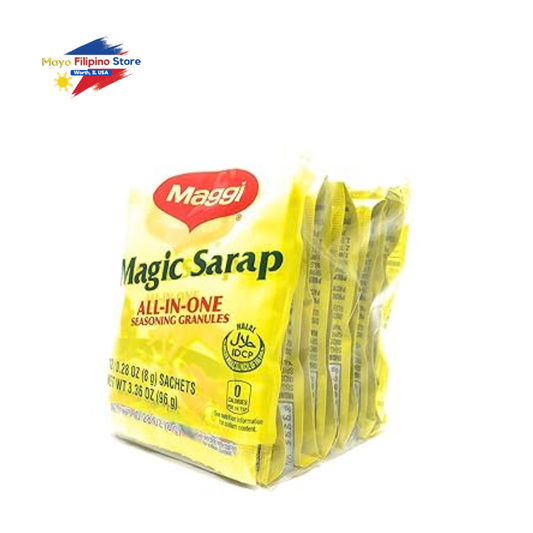
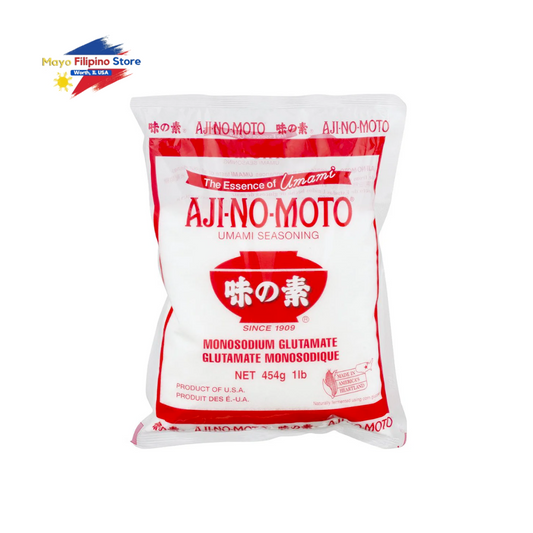
Knorr seasoning granules, Magic Sarap, and liquid seasoning are familiar helpers for fast cooking. They can add savoriness to soups, rice, vegetables, meat marinades, and fried dishes when a recipe needs a little more body. Liquid seasoning is particularly useful as a dipping sauce for fried eggs, grilled foods, and simple steamed vegetables.
These products are convenient, but they are concentrated. Use them to support real ingredients such as garlic, onions, broth, and meat drippings rather than relying on them alone. If you are watching sodium, use a smaller amount and build flavor with vinegar, calamansi, pepper, or fresh aromatics.
How to Build a Filipino Condiment Pantry
If you are stocking up from scratch, begin with soy sauce, cane vinegar, fish sauce, banana ketchup, and calamansi juice. Those five cover adobo, marinades, dipping sauces, noodles, fried foods, and many weekday meals. Add oyster sauce for stir-fries and bagoong alamang for kare-kare, mangoes, and traditional vegetable dishes.
At Mayo Filipino Store, familiar Filipino pantry brands make it easier to keep these cooking basics together with frozen favorites, noodles, and merienda staples. Buying the condiments you actually use is better than collecting every bottle at once. A small pantry with the right flavors will go much further.
Keep opened bottles refrigerated when the label recommends it, especially seafood-based pastes and sauces. Wipe rims clean, use dry utensils for jarred condiments, and check the label for storage guidance. These simple habits preserve flavor and prevent a favorite ingredient from going to waste.
The most useful Filipino condiment is the one that fits what you cook this week. Keep toyo and suka close for adobo, bring out bagoong when kare-kare or green mangoes are on the table, and let calamansi brighten the dishes that need one last familiar touch.
Looking for an Authentic Filipino Grocery Store in the USA?
Mayo Filipino Store is your one-stop destination for authentic Filipino groceries online, serving customers across the United States with fast, reliable delivery.
Located in Worth, Illinois, Mayo Filipino Store carries a wide selection of Filipino food products, including pantry essentials, canned goods, noodles, rice, sauces, seasonings, frozen foods, seafood, snacks, beverages, sweets, and other authentic Philippine products from the brands you know and love.
Whether you're a Filipino living in the U.S., preparing traditional Filipino recipes, or introducing friends and family to the rich flavors of Filipino cuisine, Mayo Filipino Store makes it easy to buy Filipino groceries online and have them delivered right to your door.
In addition to nationwide shipping, local customers can visit our Filipino supermarket in Worth, Illinois, to shop hundreds of authentic products in person. Our mission is to help Filipino families and food lovers stay connected to the taste of home through quality products and exceptional customer service.
Browse our complete selection of authentic Filipino groceries today at www.MayoFilipino.com. Visit us at 11228 S. Harlem Ave., Suite 1, Worth, IL 60482, or call or text (708) 923-6696 for product availability, online ordering, and delivery information.
Shop authentic Filipino groceries online today and discover why Mayo Filipino Store is a trusted choice for Filipino food and Asian grocery delivery throughout the United States.