
Best Ube Dessert Ingredients for Home Baking
Share
A truly satisfying ube dessert should taste like ube first: mellow, nutty, lightly earthy, and creamy. That is why choosing the best ube dessert ingredients matters more than adding extra purple food coloring. Whether you are making ube halaya for merienda, a soft ube cake for a birthday, or ice cream for a family gathering, the right Filipino pantry staples give each dessert its familiar flavor and color.
For many Filipino households in the U.S., ube desserts are also a taste of home. A jar of halaya, a can of coconut milk, or a packet of ube powder can turn an ordinary baking day into something worth sharing with family.
What Gives Ube Desserts Their Familiar Flavor?
Ube is purple yam, not the same ingredient as purple sweet potato. The two can look similar after cooking, but their flavor is different. Ube has a gentle vanilla-like aroma with roasted, nutty notes. It is subtle, which means a dessert can lose its character if it is overwhelmed by too much sugar, strong flavoring, or heavy food coloring.
Fresh ube delivers the most natural flavor, but it takes time to peel, steam, mash, and strain. For home bakers, prepared ube products are often the more practical choice. The best option depends on the dessert: ube halaya brings richness and body, ube powder is useful when you want to control sweetness, and ube extract reinforces both aroma and color.
The Best Ube Dessert Ingredients to Keep on Hand
A small set of ingredients can cover most ube recipes, from classic halaya to cakes, cookies, breads, and frozen treats. Build your pantry around these essentials.
Ube Halaya
Ube halaya, also called ube jam, is one of the most useful shortcuts for Filipino desserts. It is made from cooked ube combined with milk, sugar, and often butter or margarine. It adds concentrated flavor, a smooth purple color, and a thick texture all at once.
Use it in ube cheesecake, cake filling, pandesal, crinkles, ice cream, and no-bake dessert cups. It also works as a topping on warm pandesal or puto. Because halaya is already sweet, reduce sugar elsewhere in the recipe before adding more. Different brands vary in sweetness, thickness, and color, so taste it before mixing it into batter or frosting.
Ube Powder
Ube powder is dehydrated purple yam. It is an excellent choice when you want more control over a recipe, especially for cakes, breads, and pastry fillings. Rehydrate it with warm water, milk, or coconut milk before using so it can soften fully and blend without graininess.
Compared with ube halaya, ube powder usually has a more straightforward yam flavor and less added sweetness. It is particularly helpful in recipes where excess moisture could make the final product dense, such as cookies or baked rolls. It may not create a deep purple shade on its own, though, so many bakers pair it with a small amount of extract.
Ube Extract
Ube extract is the ingredient behind the vivid purple color and recognizable aroma in many bakery-style ube desserts. A little goes a long way. It is especially useful in chiffon cake, cupcakes, buttercream, leche flan variations, and homemade ice cream.
Treat extract as a flavor and color enhancer, not a replacement for real ube. A cake made with only extract may look beautiful but taste one-dimensional. For the best result, combine it with ube halaya or reconstituted ube powder. Add it gradually, because too much can give a dessert an artificial aftertaste.
Coconut Milk and Coconut Cream
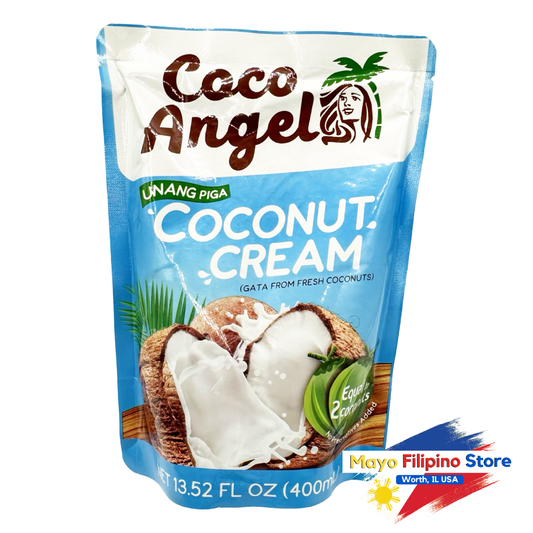
Coconut is a natural partner for ube. Coconut milk adds moisture and a gentle tropical richness to halaya, custards, ice cream, and cake batters. Coconut cream has a higher fat content and creates a fuller texture in fillings, frostings, and frozen desserts.
Use coconut cream when richness is the priority, such as for ube ice cream or a thick pie filling. Use coconut milk when you need a lighter liquid for cake batter or steamed desserts. Full-fat canned products generally offer a more reliable result than thin, refrigerated coconut beverages.
Condensed and Evaporated Milk
Condensed milk contributes sweetness and a creamy, chewy texture that many people expect in ube halaya. Evaporated milk adds dairy richness without the same level of sugar. Used together, they create the classic smooth, milky profile found in many Filipino sweets.
For halaya, condensed milk helps the mixture thicken as it cooks, while evaporated milk keeps the flavor balanced. If you are making a less sweet dessert, use more evaporated milk and sweeten to taste. Dairy-free recipes can use coconut milk, but the final flavor will lean more strongly toward coconut.
Supporting Ingredients That Make a Difference
The main ube ingredient gets the attention, but supporting ingredients decide whether a dessert feels rich, balanced, or overly sweet. Unsalted butter adds a glossy finish to halaya and gives cakes a tender crumb. Margarine is also familiar in many Filipino recipes and can bring a distinct bakery-style flavor.
Sugar should be adjusted based on the ube product you choose. Halaya and extract are commonly used in sweet recipes, while plain ube powder gives you more flexibility. Brown sugar can add a caramel-like note, but white sugar keeps the purple color brighter.
For baking, cake flour or a lighter all-purpose flour blend helps create the soft texture associated with ube chiffon and sponge cakes. Eggs provide structure, while baking powder gives lift. Vanilla is optional. In a small amount, it complements ube; in a large amount, it can cover the flavor you worked to build.
A pinch of salt is worth including even in sweet recipes. It sharpens the ube flavor and keeps condensed milk from making the dessert taste flat. This is a small detail, but it is often the difference between a dessert that is simply sweet and one that tastes finished.
Choose Add-Ins Based on the Dessert
Ube is flexible, but not every add-in belongs in every recipe. Macapuno, the soft, sweet coconut sport, is a classic match for ube halaya, cakes, and ice cream. Its chewy strands add texture and a familiar coconut sweetness. Use it as a filling, topping, or folded-in layer rather than blending it completely into a smooth batter.
Shredded cheese is another well-loved pairing, especially on ube ensaymada, ube pandesal, and cheesy ube cake. Mild cheddar or processed cheese provides a salty contrast that keeps the dessert from becoming too sweet. For a cleaner, more modern presentation, use cheese sparingly. For bakery-style comfort food, be generous.
Langka, or jackfruit, works well in chilled ube desserts, cream-filled rolls, and ice cream. Its fruitiness can brighten a rich ube base. Toasted coconut, crushed graham crackers, and roasted nuts also add welcome contrast, especially in layered dessert cups.
Match the Ingredient to What You Are Making
For ube halaya, start with ube powder or fresh ube, then use coconut milk, evaporated milk, condensed milk, butter, and a little extract if needed. Cook slowly over low heat and stir consistently. High heat can scorch the milk and make the texture grainy.
For cakes and cupcakes, combine ube halaya with a modest amount of extract. The halaya supplies flavor and moisture, while the extract gives the batter a more even purple color. If your batter is already wet, do not add large amounts of coconut milk without reducing another liquid.
For ice cream, coconut cream, condensed milk, and ube halaya make a rich base with little effort. A small amount of extract helps preserve the color after freezing. For a lighter flavor, use evaporated milk in place of part of the coconut cream, knowing the final texture may be less silky.
For cookies, bread, and pastries, ube powder is often the easier ingredient because it does not add as much moisture. Add halaya only in measured amounts, especially in yeast doughs, where too much filling or puree can slow the rise.
Storage Tips for Better Results
Keep unopened shelf-stable ube products in a cool, dry cabinet. Once opened, transfer leftover ube halaya to a clean, tightly sealed container and refrigerate it. Use a clean spoon each time to help preserve quality. If you do not expect to finish it soon, freeze portions in small containers or silicone molds for future baking.
Ube powder should stay dry and tightly sealed. Humidity can cause clumps and shorten its shelf life. Coconut milk and cream should be refrigerated after opening, and any separated fat can be stirred back in before use.
When shopping for familiar Filipino baking essentials, Mayo Filipino Store can help keep the basics together in one order: ube products, canned milk, coconut ingredients, and favorite toppings for everyday merienda or special occasions.
The most memorable ube desserts do not need every possible ingredient. Start with real ube flavor, choose a creamy base that fits your recipe, and add color or sweetness with restraint. Once you find the combination your family loves, that purple dessert can become part of your own home tradition.
🚚 We ship nationwide across the USA!
🛍️ Browse hundreds of authentic Filipino groceries at www.MayoFilipino.com
📍 Mayo Filipino Store
11228 S Harlem Ave #1, Worth, IL
📞 Text: (708) 923-6696
✉️ info@mayofilipinostore.com
#MayoFilipinoStore #FilipinoFood #FilipinoGroceries #Bagoong #ShrimpPaste #Nescafe #BearBrand #Kalamansi #Chicharron #RellenongBangus #PiliNuts #FilipinoCoffee #PinoyFood #PinoyInUSA #AsianGrocery #SupportSmallBusiness #ShopFilipino #TasteOfHome