
Filipino Brands for a Well-Stocked Kitchen
Share
A bottle of soy sauce, a pack of pancit noodles, and a jar of coffee can say a lot about what makes a kitchen feel like home. Filipino brands carry the flavors, routines, and small comforts that Filipino families recognize right away, whether they are cooking adobo on a weeknight, preparing merienda for guests, or stocking up before a holiday gathering.
For shoppers in the United States, familiar brands make it easier to cook the food they grew up with without substituting ingredients that change the taste. They also give new Filipino food fans a reliable place to start. A trusted label can help answer a practical question: Which product will deliver the flavor this dish is meant to have?
Why Filipino Brands Matter in Everyday Cooking
Filipino cooking is built on pantry ingredients that do more than fill a cabinet. Vinegar brings brightness to adobo and sawsawan. Soy sauce adds color and savory depth. Fish sauce gives soups, vegetables, and marinades a distinctive salty character. Condiments, canned goods, noodles, and seasoning mixes make it possible to prepare complete meals even when time is short.
The difference between brands can be noticeable. One vinegar may be sharper or more mellow than another. One banana ketchup may be sweeter, while another has more spice. A particular pancit noodle can have the springy texture a family expects. There is no single best choice for every household, but choosing familiar Filipino products helps preserve the flavor profile of the dishes people know and love.
These products also connect generations. A younger Filipino American shopper may be learning recipes from a parent or grandparent. A non-Filipino home cook may be trying sinigang, kare-kare, or arroz caldo for the first time. In both cases, recognizable products reduce guesswork and make the process more approachable.
Filipino Brands to Start With for the Pantry
A practical Filipino pantry begins with ingredients that work across many dishes. Rather than buying one-off items for a single recipe, start with staples that can be used for everyday cooking, quick snacks, and celebration food.
Sauces, Vinegars, and Table Condiments
Datu Puti is a familiar choice for vinegar, soy sauce, and fish sauce. These staples belong in adobo marinades, dipping sauces, noodle dishes, and vegetable preparations. Silver Swan is another well-known name for soy sauce, vinegar, and condiments, especially for households that keep a bottle on the table for fried foods, grilled meats, and sawsawan.
For sweeter and more playful condiments, banana ketchup is a Filipino classic. Brands such as UFC are often used with hotdogs, fried chicken, eggs, and breakfast rice. It is also a natural addition to Filipino-style spaghetti sauce, where the signature sweetness is part of the appeal.
Keep in mind that soy sauce and vinegar are not interchangeable from brand to brand. If a recipe was developed around a certain product, switching labels may call for a small adjustment in salt, sugar, or acidity. Taste as you cook, particularly when making adobo or dipping sauce.
Seasoning Mixes and Cooking Bases
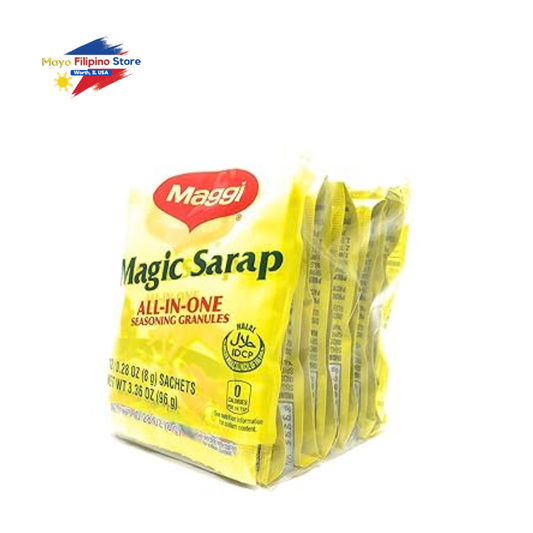
Mama Sita's seasoning mixes are useful when you want recognizable Filipino flavors with less measuring and less prep. Mixes for barbecue, kare-kare, afritada, sinigang, and other dishes can be especially helpful for busy families or cooks who are still learning the balance of traditional ingredients.
Seasoning mixes are convenient, but they are not a replacement for every homemade element. For example, adding fresh vegetables, real tamarind, garlic, onions, or a preferred protein can make a packet-based dish feel more personal. Think of these products as dependable building blocks, not limits on how you cook.
Noodles, Canned Goods, and Quick Meals
Lucky Me! remains one of the most recognizable Filipino noodle brands, with options that work for a fast snack, a late-night meal, or a quick addition to a fuller spread. Pancit Canton is particularly familiar for its savory, seasoned noodle format, while soup noodles are useful when you want something warm and simple.
Canned goods are another essential category for practical Filipino shopping. Century Tuna is a common pantry choice for sandwiches, salads, pasta, and rice meals. Sardines, corned beef, meat loaf, and canned pork products can turn rice and eggs into a complete breakfast or easy lunch. They are also useful to keep on hand for busy weeks when fresh shopping has to wait.
For a Filipino-style breakfast, canned corned beef or luncheon meat pairs naturally with garlic rice and a fried egg. Add a cup of coffee and a side of fruit, and the meal is simple, filling, and deeply familiar.
Frozen Filipino Favorites for Meals and Gatherings
The freezer is where many homes keep the foods that bring people together quickly. Lumpia wrappers, longanisa, tocino, hotdogs, siomai, and ready-to-cook meats make it easier to plan meals without starting from scratch.
Frozen lumpia wrappers are especially useful because they let you prepare a batch when you have time, then cook only what you need. Longanisa can be served for breakfast with garlic rice and egg, while tocino offers a sweet-savory option for silog meals. Filipino-style hotdogs are a familiar choice for breakfast plates, spaghetti, and children's snacks.
Frozen products are convenient, but proper storage matters. Keep them frozen until ready to use, follow package instructions for thawing when applicable, and avoid refreezing items that have fully thawed. When shopping online, plan delivery timing so frozen goods can be received and stored promptly.
For celebrations, frozen specialties can save significant prep time. A lechon belly or party-ready appetizer may be worth choosing when hosting a larger group. On the other hand, if the occasion is a quiet family dinner, smaller portions and freezer staples may be the more practical buy.
Bakery, Snacks, and Merienda Favorites
Merienda is not just a snack break. It is a familiar rhythm of the day, often built around bread, pastries, biscuits, coffee, or something savory and sweet. Filipino bakery goods and packaged snacks make that tradition easier to enjoy far from the Philippines.
Pandesal is a natural pick for breakfast or afternoon coffee. It can be enjoyed plain, with butter, cheese, corned beef, or a sweet spread. Piaya offers a crisp, flaky treat with a sweet filling, while crackers, wafer snacks, candies, and biscuits are easy additions to lunchboxes, care packages, and family gatherings.
Coffee also deserves a place in this category. A familiar instant coffee mix can be as nostalgic as a favorite meal. It is convenient, comforting, and easy to serve when relatives or friends stop by.
When choosing snack items, balance nostalgia with how you plan to use them. Single-serve packs work well for lunches and travel. Larger packs are better for households that share often or for party tables. For fresh bakery products, consider when they will be eaten and whether freezing a portion makes sense.
Beauty and Household Essentials With Familiar Names
Filipino shopping often includes more than food. Skin care, soaps, toothpaste, balms, laundry products, and household basics are part of the same familiar shopping list. For many customers, buying these items alongside groceries means fewer separate errands and less time searching for specific products.
Beauty products can be especially personal. A soap, lotion, or facial cleanser that works well for one person may not suit another skin type. Check ingredient labels, follow directions, and patch test a new product if you have sensitive skin. Familiarity is valuable, but individual needs still come first.
Household essentials are often purchased out of habit because a family knows the scent, performance, or format they prefer. Those details matter. The right everyday products can make a home feel more connected to the routines people grew up with.
How to Shop Filipino Brands More Efficiently
Start by building around the meals your household actually makes. If adobo, sinigang, and pancit are regular favorites, prioritize vinegar, soy sauce, fish sauce, seasoning bases, and noodles. If breakfast is the main connection to Filipino food, focus on longanisa, tocino, hotdogs, coffee, and canned goods.
Then add a few items that make daily life easier: one quick noodle option, one merienda favorite, and one freezer staple for unexpected guests. This approach keeps the order useful instead of filling it with products that sit untouched in the pantry.
Mayo Filipino Store brings grocery staples, bakery treats, frozen specialties, and culturally familiar essentials into one place, helping households shop for a full Filipino pantry without piecing together multiple orders. Product availability can vary, so it is practical to keep a short list of preferred alternatives for the items your family uses most.
A well-stocked kitchen does not need every Filipino product at once. Start with the brands tied to your own table, then make room for the flavors you want to share with the next person who sits down to eat.