
Filipino Pantry Restock for Everyday Meals
Share
A good Filipino pantry restock starts with the meals your household actually reaches for on busy weeknights: adobo with rice, sinigang when the weather calls for something sour, pancit for a quick shared meal, and a familiar snack with coffee or merienda. The goal is not to fill every cabinet. It is to keep the ingredients that make everyday Filipino cooking feel easy, recognizable, and ready when you need them.
For many Filipino households in the U.S., a restock also saves time. Instead of making separate trips for vinegar, seasoning mixes, noodles, canned goods, and snacks, you can build one practical order around the flavors your family uses most. Add frozen favorites or bakery items when you are planning ahead, but let the pantry form the foundation.
Build Your Filipino Pantry Restock Around Real Meals
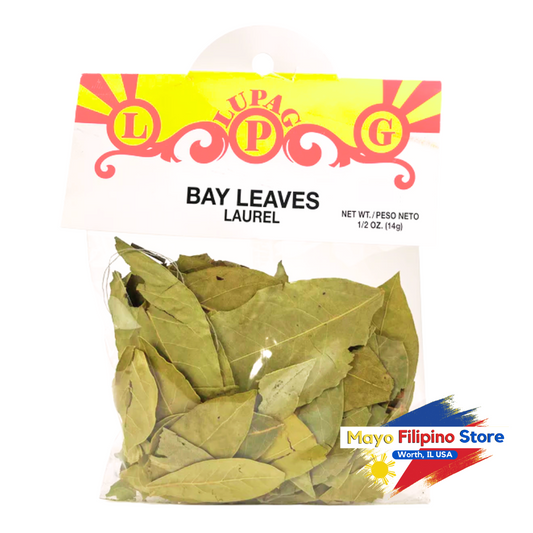
Before adding products to your cart, think in meal combinations rather than individual items. A bottle of soy sauce is useful, but it becomes more valuable when you pair it with vinegar, garlic, bay leaves, and peppercorn for adobo. Tamarind soup base makes more sense when you know you have fish sauce and rice at home. This approach keeps your order focused and helps avoid a cabinet full of one-time ingredients.
Rice is the natural first check. If your household eats rice daily, buy the size that fits both your storage space and how quickly you use it. A large bag can be a smart value for a busy family, while a smaller bag is more practical for smaller households or anyone trying different varieties. Keep rice in a tightly sealed container once opened, especially in warm or humid kitchens.
Then look at the basics that support several meals: soy sauce, cane vinegar, fish sauce, cooking oil, salt, sugar, and black pepper. These are not exciting purchases, but they are what keep a simple plate of fried fish, rice, and sawsawan from becoming a last-minute grocery run. Datu Puti vinegar and soy sauce, Silver Swan seasonings, and patis are familiar choices for many kitchens because the flavor is already part of the food people grew up eating.
Keep a dependable flavor shelf
Filipino food gets much of its character from pantry-friendly ingredients that layer salty, sour, savory, and sweet flavors. A restock is a good time to replace half-used bottles before they run out in the middle of cooking.
Keep vinegar for adobo, dipping sauces, and quick atsara-style side dishes. Keep soy sauce for adobo, fried rice, marinades, and pancit. Fish sauce adds depth to sinigang, ginisang gulay, and soups, while bagoong can turn green mangoes, kare-kare, or a simple vegetable dish into something more distinctly Filipino.
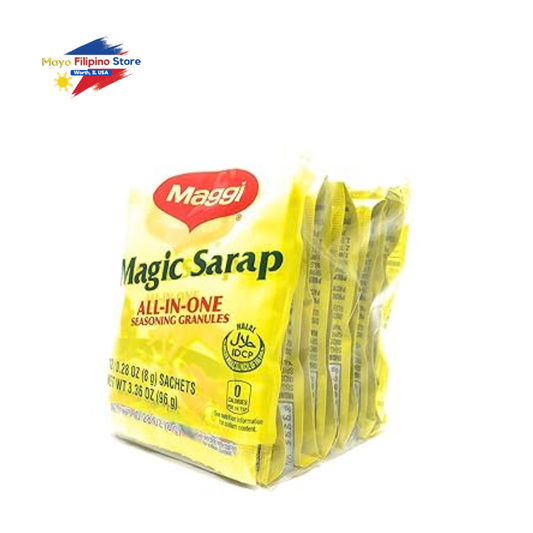
Seasoning mixes earn their place when dinner needs to move quickly. Sinigang mix, menudo mix, kare-kare mix, barbecue marinade, and pancit canton seasoning can be especially useful for newer cooks and homes where Filipino meals share space with school, work, and packed schedules. They are also dependable when you want a familiar result without measuring several spices. If you cook from scratch more often, buy fewer packets and put more of your budget toward core condiments and aromatics.
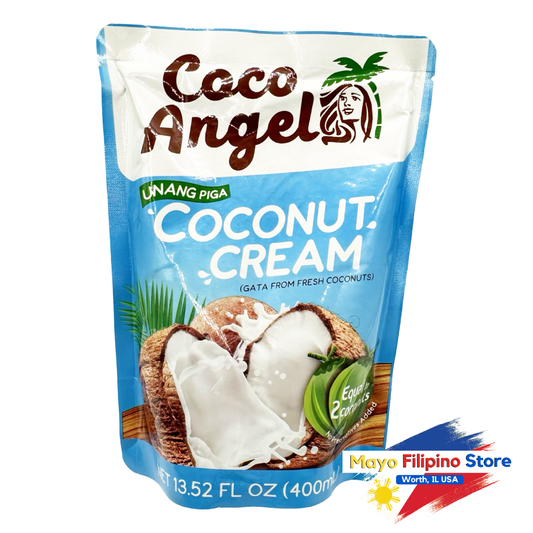
Do not overlook shelf-stable flavor builders such as banana ketchup, oyster sauce, sweet chili sauce, and coconut milk. Banana ketchup belongs with fried chicken, hotdogs, tortang giniling, and dipping sauces. Coconut milk gives ginataan, Bicol Express, and vegetable dishes their creamy body. Tomato sauce and tomato paste are useful for menudo, afritada, and mechado-style meals, particularly when fresh tomatoes are not at their best.
Stock Fast Meals for Busy Days
The most useful pantry is not reserved for special occasions. It works on the nights when everyone is hungry and there is no time to start from zero. Noodles, canned goods, and ready-to-heat meal components deserve a regular place in a Filipino pantry restock for that reason.
Instant noodles are a familiar backup meal, but variety matters. Keep a few flavors your household genuinely enjoys, whether that means pancit canton, chicken noodle soup, or spicy noodle packs. Add an egg, leftover chicken, pechay, or green onions to make a simple bowl more filling. For a more substantial noodle meal, stock bihon, canton noodles, or sotanghon along with oyster sauce and seasonings.
Canned goods are equally practical. Sardines in tomato sauce can become a quick ulam with garlic and onions. Corned beef works for breakfast with garlic rice and eggs. Canned tuna can fill pandesal, top rice, or become a quick pasta dish. Luncheon meat, meat loaf, and canned chicken spread are useful options too, although it depends on what your family actually eats. Choose the cans that disappear from your shelf, not just the ones that remind you of a grocery aisle back home.
For emergency meals, keep a few pantry combinations in mind: sardines with rice and calamansi, corned beef with eggs, pancit canton with vegetables, or canned tuna with crackers and a side of fruit. These are not replacements for a full home-cooked meal every day. They simply make it easier to feed people well when plans change.
Make Room for Merienda and Familiar Snacks
A Filipino pantry is also where small comforts live. Coffee, crackers, cookies, candies, and snack cakes make ordinary afternoons feel a little more familiar, especially for families raising children far from the Philippines. Merienda does not need to be elaborate to matter.
Choose snacks by how your home uses them. Crackers and biscuits are easy with coffee or hot chocolate. Polvoron, piaya, otap, and assorted cookies are good for sharing or sending in lunch bags. Chips, corn snacks, and candy are practical for movie nights, road trips, and visits from family. If you are ordering for someone who misses specific childhood favorites, this is the category where a small nostalgic addition can make the whole box feel personal.
Coffee and powdered drinks are worth checking at the same time. A familiar instant coffee blend, cocoa drink, or powdered juice can be just as essential as a cooking ingredient in a Filipino household. Buy enough for regular use, but avoid overstocking products that may clump or lose their best flavor after opening.
Balance Pantry Staples With Frozen and Bakery Favorites
Pantry items keep well, but a complete Filipino grocery order often includes frozen foods and bakery favorites for the weeks ahead. Lumpia wrappers, longanisa, tocino, Filipino-style hotdogs, lechon belly, and frozen seafood can turn pantry sauces and rice into a fuller meal. Pandesal, ensaymada, and other bakery items bring an easy breakfast or merienda option into the mix.
The trade-off is storage. Check your freezer space before adding several frozen items, especially if you are ordering larger packs. It can be better to buy a smaller variety that your family will use promptly than to crowd the freezer with products you forget about. Plan one or two meals around frozen items before they arrive, then keep the rest organized by type so longanisa does not get lost behind ice packs.
Mayo Filipino Store makes this kind of one-stop order practical when you need pantry staples alongside bakery and frozen favorites. Build the pantry portion first, then add the items that make breakfast, merienda, and weekend meals easier.
Buy Enough to Restock, Not Enough to Waste
A useful restock is based on usage. If your family cooks adobo weekly, buying a larger vinegar and soy sauce bottle makes sense. If sinigang happens once a month, a few seasoning packets may be enough. Check expiration dates, cabinet space, and what is already open before placing an order.
It helps to keep a simple running note on your phone with the items that run out most often. Add staples as soon as you open the last bottle, packet, or can instead of waiting until it is completely gone. This makes future orders faster and prevents the familiar problem of having everything for a dish except the one ingredient that gives it its Filipino flavor.
Store sauces away from heat and direct sunlight, seal dry goods tightly, and place older products toward the front of the shelf. A pantry does not need to look perfect. It just needs to make the next comforting meal feel possible.