
Filipino Potluck Ideas for a Full, Easy Table
Share
A good Filipino potluck rarely begins with a formal menu. It starts with one question in the group chat: “Who’s bringing what?” Then the table quickly fills with pancit trays, lumpia, rice, something grilled, and at least one dessert that disappears before anyone asks for seconds. That abundance is part of the point. A Filipino potluck should feel generous, familiar, and easy to share, whether you are feeding family after church, hosting a birthday, or introducing friends to Filipino food for the first time.
The most successful spread is not the one with the most dishes. It is the one with enough variety that every guest can build a satisfying plate: noodles or rice for the base, savory mains, crisp fried favorites, bright sauces, and a sweet finish. Planning by category keeps the meal balanced and prevents five people from arriving with the same tray of pancit.
Build Your Filipino Potluck Around the Favorites
For most gatherings, begin with a filling centerpiece. Pancit canton, pancit bihon, or palabok travels well in a large tray and gives guests an easy first serving. Rice is equally essential, especially when the menu includes saucy dishes such as adobo, menudo, kaldereta, or kare-kare. If the group is large, plan for both noodles and rice. Guests will usually take some of each.
Next, add one or two main dishes with different flavors and textures. Chicken adobo is a dependable choice because it can be cooked ahead and often tastes even better after the flavors settle. Pork barbecue brings a sweet-savory grilled option, while lechon belly makes a celebratory centerpiece for a smaller gathering. For a home-style potluck, menudo or afritada in a slow cooker can stay warm without drying out.
Then comes the dish that people reach for while they are still talking: lumpia. Lumpiang shanghai is practical, recognizable, and easy to serve in batches. Frozen lumpia can be especially useful when time is short. Fry or air-fry close to serving time so the wrapper stays crisp, and set out banana ketchup, sweet chili sauce, or a vinegar dipping sauce alongside it.
A complete table also benefits from a vegetable dish. Pinakbet, ginisang munggo, chopsuey, or a simple ensaladang talong can cut through richer food. This is not just about making the menu look balanced. A fresh, savory vegetable option gives guests a break between fried dishes, grilled meat, and rice.
A Simple Filipino Potluck Menu Formula
When coordinating a meal for 10 to 15 people, think in roles rather than exact recipes. One person can bring pancit, another can handle rice, and two people can cover main dishes. Assigning categories makes shopping and prep easier for everyone.
A reliable menu includes:
- One noodle dish and rice
- Two hearty mains, ideally one chicken and one pork, beef, or seafood dish
- One fried appetizer such as lumpia
- One vegetable dish or fresh side
- Two desserts plus drinks
Portions depend on the rest of the menu. If rice and pancit are both available, estimate about 1/2 to 3/4 cup of cooked rice per guest, plus extra for guests who always return for another scoop. For lumpia, plan three to four pieces per person when it is one of many dishes. If lumpia is the main event, plan more. A full tray of pancit is a better choice than a small pan when guests are expected to take leftovers home.
Choose Dishes That Travel Well
A potluck dish has to survive more than cooking. It may sit in a car, wait on a counter, and be reheated after other guests arrive. Foods with sauces and braises generally travel better than delicate fried foods. Adobo, menudo, kaldereta, pancit, and rice are all forgiving choices.
For crispy dishes, separate the item from the sauce and pack it in a container that does not trap too much steam. Lumpia wrapped tightly while still hot can soften quickly. Let it rest for a few minutes before covering, then reheat briefly at the host’s home if possible. The same rule applies to fried chicken and crispy lechon skin.
Cold dishes need a plan too. Buko pandan, fruit salad, leche flan, and maja blanca are welcome potluck desserts, but they should stay chilled until serving. Bring them in a cooler bag with ice packs if the drive is long. If refrigerator space at the host’s home is limited, choose shelf-stable treats such as polvoron, piaya, otap, or packaged cookies as an additional dessert option.
Make Room for Familiar Shortcuts
Cooking everything from scratch can be meaningful, but it is not a requirement for hosting well. A Filipino potluck is about feeding people and sharing familiar flavors, not proving how long you spent in the kitchen. Smart shortcuts make it easier to bring a complete dish without last-minute stress.
Frozen lumpia wrappers save time for homemade filling, while ready-made frozen lumpia makes a fast appetizer for busy weeks. Filipino hotdogs can become a kid-friendly tray dish with sweet spaghetti or simple skewers. Longanisa works well for breakfast-style gatherings, brunch potlucks, or a rice bowl station with fried eggs and garlic rice.
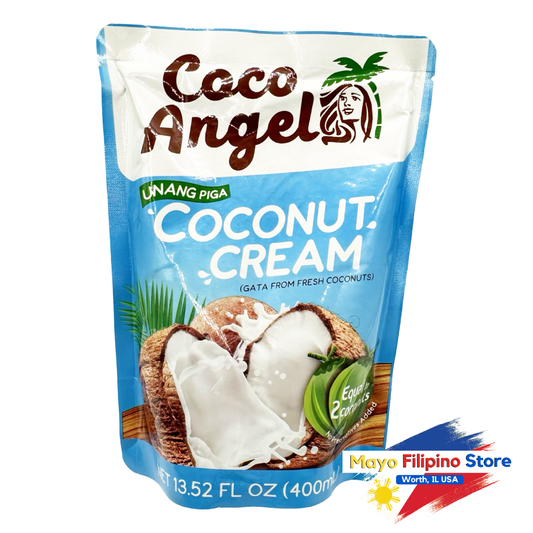
Pantry staples matter just as much. Soy sauce, vinegar, oyster sauce, fish sauce, banana ketchup, coconut milk, canned corned beef, sardines, and noodles can turn a quick grocery plan into food that tastes like home. Mayo Filipino Store offers these everyday staples alongside frozen specialties and bakery favorites, making it easier to shop for both the main dish and the extras guests look for after the meal.
If you are new to Filipino cooking, start with dishes that use familiar techniques. Adobo is approachable because it relies on a simple braise. Pancit is flexible with vegetables and proteins. Lumpia can be made with ground pork, chicken, shrimp, or vegetables, depending on the group. Save more labor-intensive dishes for a gathering where you have time to enjoy the process.
Label the Table Without Making It Formal
A few simple labels make a Filipino potluck more welcoming, especially when guests include friends who are trying the food for the first time. Write the dish name and a short description: “Pancit bihon - rice noodles with chicken and vegetables” or “Kare-kare - peanut beef stew, served with shrimp paste.” This helps guests choose confidently and reduces the same questions throughout the meal.
Labels are also useful for dietary needs. Note whether a dish contains pork, shellfish, peanuts, dairy, or heat. Filipino food can vary widely by household and region, so a quick label is more helpful than assuming a guest knows what is in every recipe. For spicy condiments such as chili garlic oil or spiced vinegar, serve them on the side. Guests who want more heat can add it themselves.
Do not forget practical serving supplies. Bring a serving spoon or tongs with your dish, particularly for saucy mains and noodles. Disposable trays are convenient, but sturdy containers with lids are better for transporting leftovers. Have foil, food containers, and extra rice available if you are hosting. Sending guests home with a little pancit or adobo is often part of the gathering, not an afterthought.
Let the Spread Feel Like Home
The best Filipino potluck tables do not need perfect matching platters or restaurant-style presentation. They need food people recognize, enough portions to share, and room for everyone to say, “Try this one.” A pan of pancit beside crisp lumpia, warm rice, and a chilled dessert can carry more memory than an elaborate menu ever will.
Start with the dishes your family asks for most, use convenient freezer and pantry favorites where they help, and leave room for one new item each time. That is how a potluck becomes a tradition guests are already looking forward to before the last tray is packed away.