
A Guide to Filipino Dried Fish for Every Meal
Share
The scent of tuyo frying with garlic can make a simple breakfast feel like home. This guide to Filipino dried fish helps you recognize the varieties you may see in Filipino grocery aisles, choose the right one for your table, and cook it with confidence. From crisp danggit beside garlic rice to savory dilis folded into a snack, dried fish is a pantry staple with a place far beyond breakfast.
What Filipino Dried Fish Is
Filipino dried fish is seafood preserved with salt and drying. Depending on the product, the fish may be sun-dried, air-dried, split open, butterflied, salted whole, or dried in small pieces. The result is concentrated flavor, a firm texture before cooking, and a long shelf life when stored properly.
In Filipino homes, dried fish is often called daing, although the word can refer broadly to fish prepared through salting and drying. Specific names matter when shopping because each variety has its own size, salt level, texture, and best use. A thin, delicate fish cooks in seconds, while thicker pieces need gentler heat and a little more time.
Dried fish is practical, but it is also deeply familiar. It turns hot rice, sliced tomatoes, and vinegar into a complete meal. It can be part of a quick weekday breakfast, a late-night plate of sinangag, or a thoughtful addition to a balikbayan-style grocery order for family.
A Guide to Filipino Dried Fish Varieties
Tuyo
Tuyo is one of the best-known Filipino dried fish varieties. It is commonly made from small herring or similar fish that have been salted and dried whole. Tuyo has a pronounced savory flavor, a rich fish aroma, and a crisp texture when fried well.
Serve tuyo with garlic fried rice, egg, and tomato for a classic breakfast plate. A splash of spiced vinegar cuts through the saltiness nicely. Tuyo can also be flaked over rice or mixed into fried rice, especially when you want a little extra flavor without adding a separate meat dish.
Daing na Bangus
Daing na bangus is butterflied milkfish that has been marinated or salted and dried. Compared with small whole dried fish, it offers a meatier bite and a more substantial main-dish feel. It is often sold frozen or chilled as well as in dried preparations, so read the package carefully when building your cart.
Its mild richness makes it especially good with rice, egg, and atchara. Because bangus has many fine bones, eat slowly and carefully. For many families, this is part of the experience, but it is worth mentioning to first-time diners and younger children.
Danggit
Danggit is a thin, flat dried fish, often associated with Visayan-style breakfasts. It fries quickly and becomes crisp, making it easy to enjoy whole with rice or crumble over other dishes. Its flavor is salty and direct, so a small portion goes a long way.
Danggit is a strong choice when you want crunch. Pair it with soft scrambled eggs, warm pandesal, or a bowl of arroz caldo. If you are new to dried fish, its thin shape and fast cooking time make it approachable, though the aroma is still unmistakably Filipino dried fish.
Dilis
Dilis are small dried anchovies. They can be eaten as a snack, fried until crisp, added to rice, or used as a flavor booster in soups and vegetable dishes. Sweet-and-spicy dilis is also a familiar snack and pulutan option, often cooked with sugar, chilies, garlic, or peanuts.
Because dilis are small, they are versatile and easy to portion. Keep a bag on hand for a quick topping over lugaw, a crunchy contrast in a rice bowl, or a savory addition to sautéed greens. Choose plain dried dilis when you want to control the seasoning yourself.
Dried Pusit
Dried pusit, or dried squid, has a chewy texture and a deeper seafood sweetness. It is often grilled briefly or pan-heated, then served with vinegar, calamansi, or a spicy dipping sauce. It can be a snack, pulutan, or side dish with rice.
Pusit is not the same as dried fish in the strictest sense, but shoppers commonly look for it in the same category. It is a good pick for people who enjoy a firmer chew and slightly sweet-savory seafood flavor. Watch it closely while heating, since thin pieces can toughen or scorch quickly.
How to Choose Filipino Dried Fish
Start with the meal you want to make. For a traditional silog-style breakfast, tuyo, danggit, or daing na bangus are natural choices. For snacking, sharing, or adding to another dish, dilis and dried pusit may be more useful. There is no single best variety because the right choice depends on whether you want a crisp bite, a meaty fillet, or a small savory topping.
Look for sealed packaging and a product that appears dry rather than wet or sticky. The fish should have a clean, salty seafood scent, not an overly sour or rancid smell. Some white surface crystals are usually salt, but excessive moisture inside the package is a reason to choose another item.
Salt level varies widely. Traditional dried fish is intentionally salty, and that is part of what makes it good with plain rice, egg, and fresh produce. If you are watching sodium or serving someone unfamiliar with the flavor, choose a smaller portion, pair it with unsalted sides, and avoid adding extra salt to the rest of the meal.
When shopping for Filipino staples, it helps to buy according to household habits. A larger package of tuyo makes sense for families that cook it often. A smaller bag of danggit or dilis is better if you are trying a variety for the first time or want a convenient backup for breakfast and merienda.
How to Cook Dried Fish Without Overdoing It
Most dried fish needs very little preparation. For thin varieties such as danggit and small tuyo, heat a small amount of oil in a pan over medium heat, then fry briefly until crisp and lightly browned. Turn carefully with tongs or a spatula. The fish can splatter, so keep your face and hands clear of the pan.
Thicker fish, including larger tuyo or daing na bangus, benefits from medium rather than high heat. Cook until heated through and browned at the edges. Do not rush it with very hot oil, which can burn the outside before the center is ready.
Ventilation makes a real difference. Use the range hood, open a window, or cook near an open door if possible. The aroma is beloved by many Filipino households, but it is strong and can linger in a small apartment. Some cooks use an air fryer for a less oily result, though texture and cooking time will vary by fish thickness.
Avoid soaking dried fish unless the package directions recommend it or the salt level is unusually intense for your preference. Soaking can reduce saltiness, but it can also soften the fish and dilute the concentrated flavor that makes it distinctive.
Easy Ways to Serve It
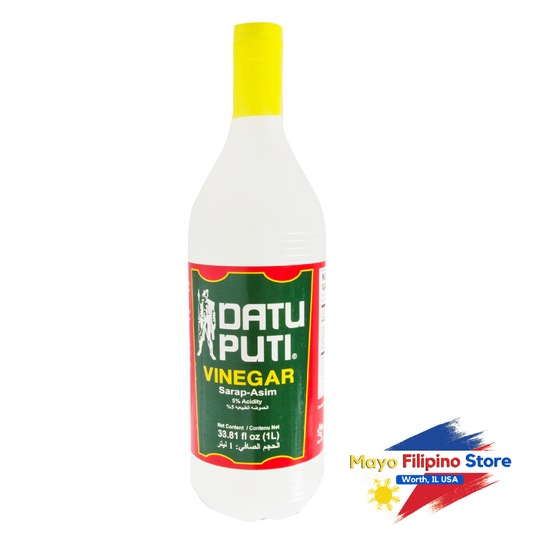
The simplest plate is often the best: dried fish, hot rice, a fried egg, and tomato slices. Add suka with garlic, black pepper, or chopped chilies for a sharp dipping sauce. The acidity balances the salt and gives every bite more brightness.
For something more filling, make a dried-fish breakfast bowl with sinangag, cucumber, egg, and a small serving of tuyo or danggit. Dilis works well scattered over lugaw or mixed into fried rice with garlic and scallions. Dried pusit can be warmed and served with calamansi and vinegar alongside cold drinks or as part of a shared meal.
You can also use dried fish as an accent instead of the main protein. Flake cooked tuyo over sautéed bitter melon with egg, stir crisp dilis into roasted vegetables, or add a small amount to mung bean soup for a salt-forward seafood note. In these dishes, start with less than you think you need. The flavor is concentrated.
Storage Tips for Fresh Flavor
Keep unopened dried fish in a cool, dry place if the package allows it, but refrigeration is often the safer choice in warm or humid homes. After opening, transfer the fish to an airtight container or tightly sealed bag and refrigerate it. For longer storage, freeze it in portion-sized packs so you only thaw or open what you plan to use.
Keep dried fish away from foods that easily absorb odors, such as butter, bread, and desserts. A second sealed bag or container helps protect the rest of your refrigerator. Always check the package date and follow product-specific storage instructions, especially for items that arrive frozen or refrigerated.
A well-stocked Filipino pantry does not need to be complicated. Keep one dried fish variety that your household already loves, then add another with a different texture or use. Whether it is tuyo for a familiar morning plate or dilis for quick crunch and flavor, the right package is waiting to turn plain rice into something everyone recognizes.
Shop now at www.MayoFilipinoStore.com for delivery across the USA! 🇺🇸🇵🇭 📍