
How to Choose Filipino Condiments for Your Table
Share
A bottle of patis beside fried fish, a saucer of toyo and calamansi for pancit, banana ketchup with hotdogs - these are not extras at a Filipino table. They are part of the meal. Knowing how to choose Filipino condiments helps you stock the flavors your household actually uses, whether you are recreating family dishes or trying Filipino food for the first time.
The best choice depends on what you cook, how salty or spicy you like your food, and whether you need a finishing sauce, a cooking ingredient, or both. Start with familiar everyday staples, then add more specialized favorites as your meals call for them.
Start With the Meals You Make Most Often
Filipino condiments can look similar on a shelf, but their roles are distinct. A household that makes adobo, arroz caldo, and grilled fish will reach for different bottles than one that regularly serves pancit, lumpia, or lechon.
For everyday cooking, soy sauce, vinegar, fish sauce, and banana ketchup are practical foundations. Soy sauce adds color, saltiness, and savory depth to marinades, stir-fries, and dipping sauces. Filipino cane vinegar or coconut vinegar brings the bright tang that defines many dishes, from adobo to sawsawan for fried food. Fish sauce, commonly called patis, gives soups, vegetables, and seafood a deeper savory flavor with just a few drops.
If your meals lean toward grilled pork, chicken inasal, or barbecue, include a sweeter sauce such as banana ketchup or Filipino-style barbecue sauce. If noodles and rice bowls are regular meals, a good soy sauce and calamansi juice are often more useful than buying several specialty sauces at once.
Choose Filipino Condiments by Flavor Profile
A quick way to shop is to think beyond the label and choose by the flavor you want to add at the table.
Salty and savory: soy sauce, patis, and bagoong
Filipino soy sauce, or toyo, is often used as both a pantry seasoning and a dip base. It is especially useful for adobo, fried rice, pancit, and a simple sawsawan with calamansi and chili. Brands can vary in saltiness and sweetness, so a familiar Filipino brand is a good starting point when you want the flavor you remember from home.
Patis is more concentrated and more aromatic than soy sauce. Use it in small amounts for sinigang, munggo, ginisang gulay, fried fish, or steamed rice with tomatoes. If you are new to fish sauce, begin with a teaspoon in a pot of soup rather than using it as a straight dipping sauce. Its aroma softens as it cooks.
Bagoong comes in several forms and deserves a little more attention. Bagoong alamang is fermented shrimp paste, often sautéed and served with green mangoes, kare-kare, or vegetables. Bagoong isda is fermented fish sauce or fish paste, depending on the product. Choose shrimp paste when you want a bold, savory condiment with a thicker texture; choose fish-based versions when preparing regional dishes that specifically call for them. Check whether the jar is already sautéed and sweetened, because ready-to-eat bagoong alamang tastes very different from plain fermented paste meant for cooking.
Sour and bright: vinegar and calamansi
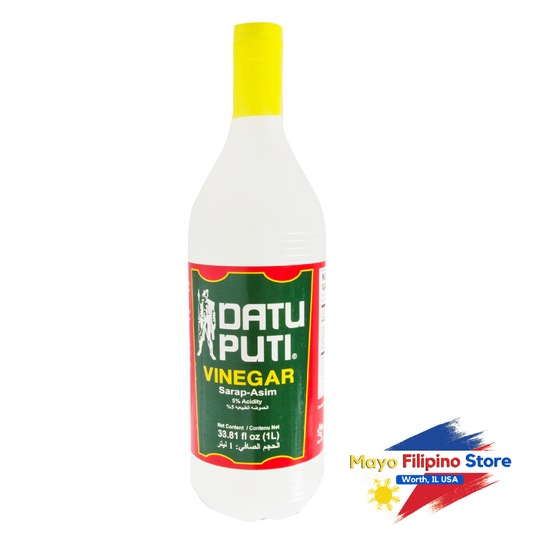
Vinegar is not one flavor in Filipino cooking. Cane vinegar is a versatile, mild choice for adobo and dipping sauces. Coconut vinegar has a rounder, gentler acidity that works well with grilled seafood and vegetables. Sukang iloko and other regional vinegars can be sharper or more aromatic, making them a good choice for shoppers who want a more specific regional taste.
For a simple all-purpose sawsawan, combine vinegar with garlic, black pepper, and chopped chili. Add soy sauce when you want more salt and savoriness. A good rule is to choose plain vinegar for flexibility, then pick flavored or spiced vinegar when you already know the dish you are serving.
Calamansi juice is another pantry essential for many Filipino households. It adds citrusy acidity to pancit, lugaw, grilled meats, seafood, and marinades. Bottled calamansi juice is convenient when fresh fruit is unavailable, though it can be more concentrated or sweeter depending on the brand. Read the label if you prefer pure juice over a sweetened calamansi drink or concentrate.
Sweet, tangy, and kid-friendly: banana ketchup
Banana ketchup is a distinctly Filipino staple with a sweet, tangy profile and a familiar red color. It is a natural match for Filipino spaghetti, fried chicken, hotdogs, tortang giniling, and breakfast plates with rice and eggs. It can also be used in barbecue marinades when you want a glossy, lightly sweet finish.
Choose regular banana ketchup for everyday dipping and cooking. Pick a spicy version if your household likes a little heat without losing the sweetness. For children or guests who are new to Filipino food, banana ketchup is often the easiest condiment to introduce because its flavor is approachable and versatile.
Spicy: chili garlic, hot sauce, and chili vinegar
Heat is personal, so avoid choosing a spicy condiment based only on the word “hot.” Chili garlic sauce offers heat with savory garlic flavor and works well with siomai, lumpia, noodles, eggs, and fried rice. It is usually a better choice than plain hot sauce when you want a fuller, more Filipino-style flavor in each spoonful.
Chili vinegar is brighter and sharper. It is especially good with lechon kawali, chicharon, grilled meats, and fried fish. Some versions include garlic, onions, or whole chilies, while others are simple vinegar infusions. Choose a milder bottle for shared family meals, or keep a hotter chili sauce on hand for anyone who wants to adjust their own plate.
Match the Condiment to the Dish
Many Filipino dishes are designed to be finished at the table. The right pairing can make a simple meal feel complete.
For fried fish, try vinegar with garlic and chili, or patis with calamansi. For lumpia, sweet chili sauce gives a familiar contrast, while vinegar with garlic suits a more traditional savory dip. Pancit usually benefits from calamansi and a little soy sauce. Lugaw and arroz caldo are often served with patis, calamansi, and chili oil or chili garlic.
Lechon calls for a richer sauce, commonly liver sauce or lechon sauce, with its sweet, savory, slightly spiced character. Kare-kare needs bagoong alamang on the side because the peanut-based sauce becomes more balanced with that salty fermented bite. Green mangoes are another case where the condiment matters: sweet sautéed bagoong alamang is the classic choice.
There is no need to follow one fixed rule, though. Many Filipino families have their own preferred sawsawan ratios. Some like more vinegar, some add sugar, and some use soy sauce as the main base. Choose products that help you make the version your family will actually enjoy.
Read Labels for Heat, Sodium, and Ready-to-Use Convenience
Authenticity matters, but so does buying a product that fits your needs. Check labels for ingredients, spice level, and whether the condiment is ready to serve. This is particularly useful with bagoong, lechon sauce, chili sauces, and bottled marinades.
If you are watching sodium, remember that soy sauce, patis, and bagoong are naturally used in small amounts because they are intensely seasoned. Lower-sodium choices can help, but they may taste different in recipes built around traditional brands. One practical approach is to use the familiar condiment more sparingly and let fresh calamansi, vinegar, garlic, ginger, and herbs carry more of the flavor.
Also consider bottle size. A large bottle makes sense for a busy household that cooks Filipino food several times a week. For a first-time purchase of bagoong or a very spicy sauce, a smaller jar may be the smarter choice. Refrigerate products after opening when the label directs it, and use clean utensils so the flavor stays fresh.
Build a Useful Filipino Condiment Shelf First
You do not need every sauce at once. A balanced first selection includes soy sauce, cane or coconut vinegar, patis, calamansi juice, banana ketchup, and one spicy option such as chili garlic sauce. This combination covers everyday dipping sauces, soups, marinades, noodles, fried food, and breakfast dishes.
From there, add bagoong alamang for kare-kare and green mangoes, sweet chili sauce for lumpia, and lechon sauce for celebrations. At Mayo Filipino Store, choosing recognizable Filipino brands can make it easier to find the taste profiles your recipes expect and the flavors your family already knows.
A well-stocked condiment shelf is less about collecting bottles and more about making ordinary meals taste like home. Start with the sauces that fit your weekly menu, keep a vinegar-and-calamansi option ready for the table, and let each dish tell you what to add next.