
The Story Behind Traditional Filipino Ingredients
Have you ever wondered about the unique flavors and ingredients that make Filipino cuisine so special? Let's dive into the story behind some of the traditional Filipino ingredients that have been used for generations.
Coconut: A Versatile Staple

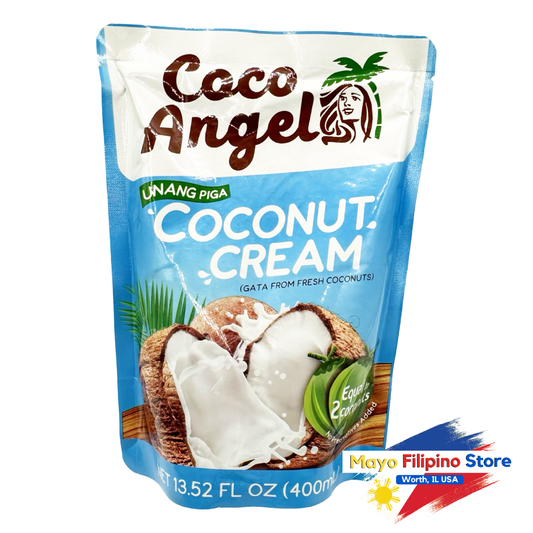
Coconut is a key ingredient in many Filipino dishes, providing a rich and creamy texture. From coconut milk to coconut oil, this versatile fruit is used in both savory and sweet dishes, such as the popular dish "Bicol Express" or the delicious dessert "Buko Pandan."
Calamansi: The Filipino Lime

Calamansi is a small citrus fruit that resembles a lime but has a unique flavor profile. It is commonly used as a condiment or flavoring agent in Filipino cooking, adding a tangy and refreshing taste to dishes like "Sinigang" or "Pancit Palabok."
Ube: The Purple Yam

Ube, or purple yam, is not only known for its vibrant color but also for its sweet and earthy flavor. This ingredient is often used in desserts like "Ube Halaya" or "Ube Ice Cream," adding a unique twist to traditional Filipino sweets.
Fish Sauce: The Umami Booster

Fish sauce, known as "patis" in Filipino cuisine, is a staple condiment that adds depth and umami flavor to dishes. It is commonly used in dishes like "Adobo" or "Kare-Kare," enhancing the overall taste with its savory notes.
Banana Leaves: Nature's Wrapper

Banana leaves are used in Filipino cooking as a natural wrapper for steaming or grilling dishes. They impart a subtle aroma to the food, such as in "Bibingka" or "Inihaw na Pusit," adding an extra layer of flavor to the dish.
Exploring the traditional Filipino ingredients not only provides insight into the rich culinary heritage of the Philippines but also offers a unique gastronomic experience. Next time you enjoy a Filipino dish, take a moment to appreciate the story behind the ingredients that make it truly special.