
Tocino Versus Longanisa Flavors Compared
Share
A plate of sinangag, a fried egg with crisp edges, and a savory-sweet breakfast meat can make an ordinary morning feel like home. When choosing between tocino versus longanisa flavors, the question is not which one is better. They offer two very different kinds of Filipino comfort food, and each has a place on the breakfast table.
Tocino brings a tender, cured sweetness that caramelizes in the pan. Longanisa brings sausage richness, garlic, and regional personality. Both are familiar stars of silog meals, but knowing how they differ makes it easier to choose the right pack for breakfast, brunch, baon, or a Filipino-inspired dinner.
Tocino Versus Longanisa Flavors at a Glance
Tocino is usually thinly sliced pork that has been cured in a sweet, seasoned marinade. Its signature flavor is sweet and savory, often with hints of garlic, salt, pepper, and a light tang. As it cooks, the sugar in the cure turns glossy and caramelized, creating browned edges and a juicy center. Classic tocino is traditionally recognizable for its reddish color, though color can vary by brand and recipe.
Longanisa is a Filipino sausage, most commonly made with ground pork and seasonings. Its flavor depends heavily on the regional style. Some varieties are sweet, while others lean salty, garlicky, peppery, or tangy. The texture also sets it apart from tocino: longanisa is coarser, meatier, and richer because it is made as a sausage rather than sliced cured meat.
If you are deciding quickly, tocino is the better choice for a distinctly sweet, glossy, caramelized bite. Longanisa is the choice when you want more garlic, a fuller pork flavor, and a regional sausage profile.
What Tocino Tastes Like
The first thing most people notice about tocino is its balance of sugar and cured pork. It is sweet, but it should not taste like dessert. Good tocino has enough salt and seasoning to keep that sweetness grounded, especially when served with plain garlic rice and egg.
Its flavor becomes deeper as it fries. A little rendered fat and caramelized marinade coat the slices, giving tocino its familiar sticky, browned finish. This makes it especially satisfying with neutral sides such as steamed rice, sinangag, pandesal, or atchara. The acidity of pickled green papaya can cut through the richness and make each bite feel less heavy.
Tocino works well for households with children or anyone new to Filipino breakfast foods because its flavor is easy to understand. It is tender, slightly smoky from the pan, and sweet enough to be immediately appealing. It can also be a practical freezer staple for quick tocilog mornings, rice bowls, or breakfast sandwiches.
When Tocino Is the Better Pick
Choose tocino when you want a meal with a sweeter profile, faster-cooking thin slices, and plenty of caramelized pan flavor. It is also a dependable option when serving guests who may not be familiar with Filipino sausage styles. Add a fried egg, garlic rice, and sliced tomatoes, and the meal needs very little else.
What Longanisa Tastes Like
Longanisa offers more variation than tocino. The term covers many Filipino sausage styles, so two packs of longanisa can taste very different even when both are made with pork. That variety is part of the appeal: choosing longanisa can feel like choosing a regional specialty rather than simply choosing sausage.
Sweet longanisa, often associated with the hamonado style, has a mild sweetness that may remind some shoppers of breakfast sausage, but garlic and Filipino seasonings give it a more savory character. It pairs naturally with egg and garlic rice, while its sweetness can also balance spicy vinegar dipping sauce.
Garlicky longanisa, commonly described as de recado, is less sweet and more savory. Expect a stronger aroma of garlic, salt, pepper, and pork fat. This style is a good fit for shoppers who find tocino too sweet or who want breakfast meat with a more assertive flavor.
Regional varieties can bring even more personality. Vigan longganisa is known for a garlicky, slightly tangy profile and smaller links. Lucban longganisa is often garlicky and oregano-forward, with a bold savory taste. Skinless longanisa offers the same general flavor direction without a casing, making it convenient for crumbling into fried rice, noodles, or egg dishes.
The Texture Matters, Too
Flavor is only part of the tocino versus longanisa decision. Tocino is sliced and tender, with a slightly chewy edge once caramelized. Longanisa has a sausage bite: crumbled, juicy, and substantial. Cased varieties may have a gentle snap, while skinless styles are soft and easy to break apart in the pan.
For a traditional plated silog meal, either works beautifully. For a breakfast burrito, fried rice, or pasta, skinless longanisa may be easier to distribute throughout the dish. For a rice bowl where the meat should stay front and center, glossy tocino slices make a strong presentation.
Sweet, Savory, or Garlicky: How to Choose
Your ideal choice depends on what is already on the table. Tocino is especially good with salty or tangy sides because those flavors temper its sweetness. Serve it with garlic rice, sunny-side-up eggs, atchara, or a vinegar dip with chili.
Sweet longanisa fits a similar role, though it has more sausage richness and usually more garlic than tocino. It is a good middle ground for people who want sweetness but prefer ground pork over sliced meat.
For a savory breakfast, choose de recado, Vigan-style, Lucban-style, or another garlic-forward longanisa. These varieties are excellent with vinegar, fresh tomatoes, cucumber, or ensaladang talong. The bright acidity keeps the sausage from feeling overly rich.
If you are shopping for a family, there is no need to choose only one. Keeping tocino and two longanisa styles in the freezer gives everyone an easy option. A sweet tocino breakfast can satisfy one morning, while garlicky longanisa with vinegar brings a different kind of comfort the next.
Cooking Each One for Its Best Flavor
Tocino benefits from gentle cooking at the start. Place it in a skillet with a small amount of water and let the water cook off before allowing the meat to fry in its own rendered fat. This helps the pork cook through without burning the sugary marinade too early. Once the slices brown and the edges caramelize, remove them promptly so they stay tender.
Longanisa also cooks well with a splash of water, especially cased links. Covering the pan briefly helps cook the center, then letting the water evaporate allows the sausage to brown. Avoid high heat from the beginning. Sweet sausage can darken quickly, while garlicky varieties can scorch if the garlic and rendered fat get too hot.
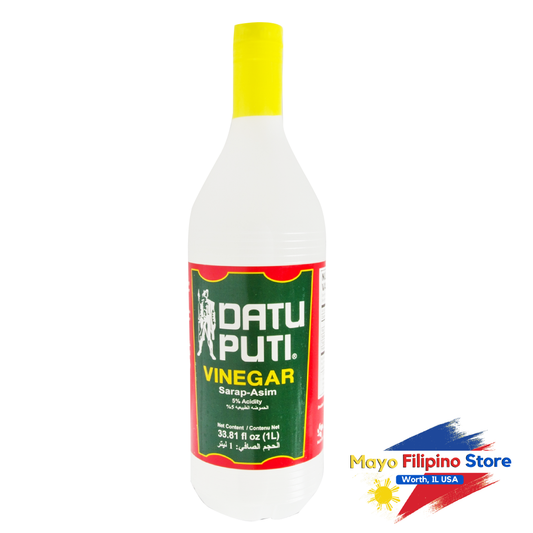
For both, a vinegar dipping sauce is more than an optional condiment. Cane vinegar, garlic, black pepper, and chili provide a sharp contrast to fatty pork and bring out the seasoning in every bite. Those who prefer less heat can keep the dip simple with vinegar, salt, and crushed garlic.
Beyond Breakfast: Ways to Use Tocino and Longanisa
Tocino is excellent in a rice bowl with a runny egg, sautéed greens, and pickled vegetables. Its sweetness also works well in sliders or pandesal sandwiches with a fried egg and a little mayonnaise. Leftover tocino can be chopped into fried rice, though it is best added near the end so the caramelized edges stay intact.
Longanisa is especially versatile when crumbled. Use skinless longanisa in garlic fried rice, add it to scrambled eggs, or fold it into a breakfast quesadilla. Garlicky varieties can stand in for other pork sausages in pasta, stuffed peppers, or savory bread fillings, while still giving the dish a distinctly Filipino flavor.
For shoppers building a Filipino breakfast spread, Mayo Filipino Store makes it easier to keep familiar freezer favorites alongside garlic rice ingredients, vinegar, pandesal, and pantry staples. The best combination is the one that matches your household's taste: sweeter and caramelized, or savory and garlic-forward.
The next time you plan a silog breakfast, let the rest of the plate guide you. Reach for tocino when you want tender sweetness and browned edges. Choose longanisa when you want sausage richness and a flavor that can lean sweet, garlicky, or proudly regional.