
Authentic Filipino Seasonings for Everyday Cooking
Ibahagi
A bottle of soy sauce, a splash of cane vinegar, and a spoonful of fish sauce can turn a simple pot of chicken, vegetables, or rice into a meal that tastes like home. Authentic Filipino seasonings are not just extras kept in the cabinet. They create the salty, sour, savory, slightly sweet balance behind everyday favorites such as adobo, sinigang, pancit, arroz caldo, and inihaw.
For Filipino households in the US, keeping familiar seasonings on hand means less improvising when a craving hits. For anyone learning Filipino cooking, these pantry staples provide a more reliable starting point than trying to replace them with generic sauces. The label matters, but so does knowing what each ingredient contributes to the dish.
Authentic Filipino Seasonings Worth Keeping at Home
Filipino cooking often layers flavor rather than relying on one dominant spice blend. A dish may begin with garlic and onion, gain depth from soy sauce or fish sauce, brighten with vinegar or calamansi, then finish with pepper, sugar, or a seasoning mix. The right pantry gives you room to make those adjustments naturally.
Soy sauce or toyo
Toyomansi, adobo, pancit, and many marinades begin with soy sauce. Filipino-style soy sauce is generally salty, savory, and thinner than the sweeter Indonesian varieties commonly found in international aisles. It gives meat color and seasoning while helping garlic, pepper, and vinegar come together.
For adobo, soy sauce should support the vinegar rather than overwhelm it. Start modestly if you are using a salty brand, especially when adding fish sauce, oyster sauce, or broth cubes later. Dark soy sauce can add deep color, but it is not always the best substitute for regular Filipino toyo because its flavor and sweetness can change the finished dish.
Cane vinegar or suka
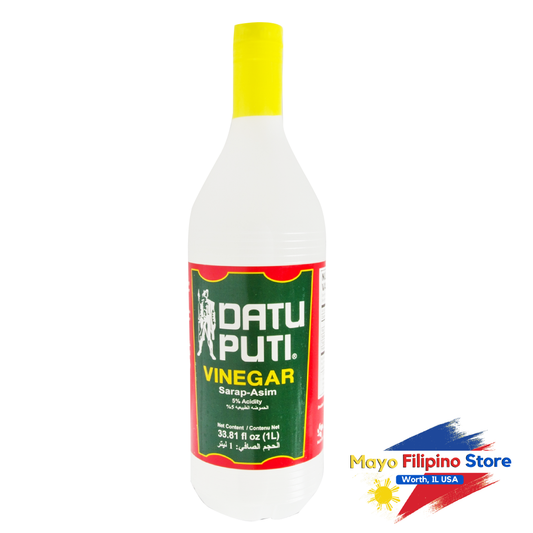
Vinegar is one of the clearest signatures of Filipino home cooking. Cane vinegar has a clean, mild tang that works beautifully in adobo, dipping sauces, atchara, and grilled meat marinades. Coconut vinegar can be a good choice when you want a softer, slightly more rounded acidity.
The key trade-off is sharpness. Distilled white vinegar is useful in a pinch, but it can taste harsher than cane or coconut vinegar. For a more familiar adobo flavor, use a Filipino-style vinegar and let it simmer long enough for its acidity to settle into the sauce. Some cooks avoid stirring vinegar immediately after adding it, while others do not find it necessary. Either way, a short simmer helps the flavors marry.
Fish sauce or patis
Patis adds concentrated savory flavor to soups, sautéed vegetables, fried rice, and dipping sauces. It is especially useful when a dish tastes flat even after salt has been added. A small amount brings depth to tinola, munggo, pinakbet, and simple ginisang gulay.
Fish sauce has a strong aroma straight from the bottle, so use it with a light hand. It should blend into the food, not announce itself. If you are new to it, begin with a teaspoon in a pot of soup or sauté, then taste before adding more. The result is a fuller, more savory dish without needing a long list of ingredients.
Shrimp paste or bagoong
Bagoong comes in different forms, and choosing the right one depends on the dish. Fermented shrimp paste may be sautéed with garlic, onion, pork, or sugar for kare-kare and green mango dipping. Saltier shrimp paste can be stirred into vegetable dishes such as pinakbet. There are also sweetened versions made for eating as a condiment.
This is one seasoning where the product style matters. A sweet bagoong is excellent with tart mango but may not give pinakbet the savory, fermented character it needs. Check whether the jar is labeled for cooking, sweetened, or sautéed, then match it to the recipe.
Calamansi and calamansi seasoning
Fresh calamansi has a floral citrus flavor that is hard to duplicate exactly. It brightens pancit, grilled seafood, lumpia dipping sauce, and sawsawan with soy sauce and chili. When fresh fruit is unavailable, bottled calamansi juice or calamansi concentrate is a practical pantry option.
Taste before using a large amount because bottled products vary. Some are more tart, while others include sugar or additional citrus juice. For a quick dipping sauce, combine calamansi with soy sauce, then add sliced chili, garlic, or black pepper based on the meal.
Oyster sauce, seasoning granules, and broth cubes
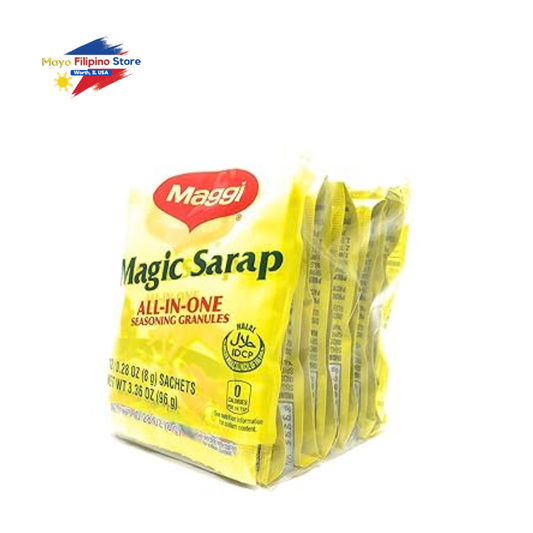
These are everyday helpers, particularly for pancit, stir-fried vegetables, fried rice, and quick noodle dishes. Oyster sauce adds a savory, slightly sweet body that clings to noodles and vegetables. Seasoning granules and broth cubes add chicken or pork flavor when making arroz caldo, sotanghon soup, or a simple weekday sauté.
They are convenient, but they are also salty. When using a cube, powder, or granules, reduce the soy sauce or fish sauce at first. A recipe may call for several seasonings, but brands differ in sodium and intensity. Tasting near the end is more dependable than adding every ingredient at full measure from the start.
Build Flavor by Dish, Not by a Single Recipe
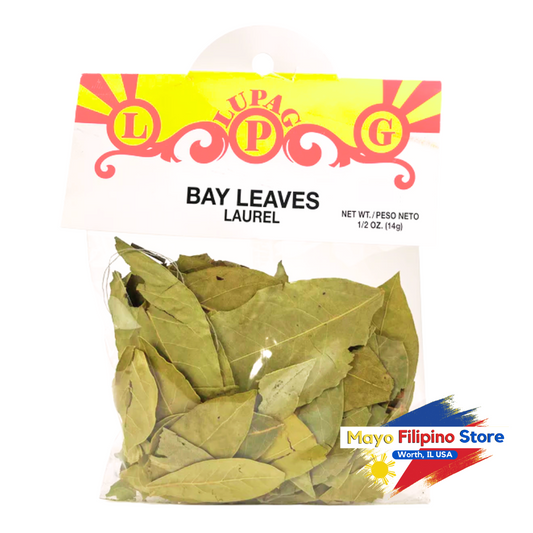
A Filipino pantry becomes easier to use when you think in flavor combinations. Adobo usually leans on soy sauce, vinegar, garlic, peppercorns, and bay leaves. Sinigang needs a souring agent, often tamarind soup mix or sampalok, with fish sauce used to round out the broth. Pancit often gets its savory base from soy sauce, oyster sauce, broth, and calamansi served on the side.
For inihaw, a marinade can be as simple as soy sauce, calamansi, garlic, and black pepper. Add banana ketchup or a little sugar when you want a sweeter, more caramelized finish. For kare-kare, peanut sauce becomes complete only when served with bagoong, whose saltiness and fermented depth balance the rich stew.
This is why authentic Filipino seasonings should not be treated as interchangeable bottles. Soy sauce and fish sauce both add salt, but they do different jobs. Vinegar and calamansi both add acid, yet one gives mellow fermented tang while the other gives fresh citrus lift. Using the ingredient that fits the dish makes even a short recipe taste more recognizable.
A Practical Starter Pantry for Filipino Cooking
If cabinet space is limited, begin with the seasonings that cover the most meals: Filipino soy sauce, cane vinegar, fish sauce, calamansi juice, oyster sauce, tamarind soup mix, and a cooking-style bagoong. Add garlic, whole black peppercorns, bay leaves, and a neutral cooking oil, and you can prepare a wide range of familiar dishes.
From there, shop according to the food your household actually makes. Families who cook sinigang often may want several souring options, such as tamarind, guava, or miso-based mixes. Households that make pancit and noodle soups may use more broth cubes, seasoning granules, and oyster sauce. If grilled meats and fried snacks are common, banana ketchup, chili garlic sauce, and extra calamansi belong near the front of the pantry.
Recognizable Filipino brands can be reassuring because the flavor is often what family recipes expect. Still, there is room to compare labels. Choose lower-sodium options when needed, and remember that some products contain shellfish, fish, soy, or wheat. For shoppers managing allergies or dietary restrictions, checking the package before cooking is essential, especially with bagoong, fish sauce, broth powders, and seasoning mixes.
How to Store and Use Seasonings Well
Keep unopened bottles in a cool, dry cabinet away from direct heat. Once opened, follow the package guidance. Vinegar and soy sauce are generally stable for a long time, while fish sauce, calamansi products, and sauces with added ingredients may keep their best flavor longer when refrigerated.
Use a clean spoon for jars of bagoong and avoid pouring unused marinade back into the bottle. Small habits prevent flavors from changing too quickly and make it easier to keep your pantry ready for weeknight cooking. Labeling opened items with the date can also help when you have several sauces in rotation.
Mayo Filipino Store makes it easier to gather these familiar pantry essentials alongside noodles, frozen favorites, bakery treats, and ingredients for the next family meal. Start with the seasonings tied to the dishes you already miss or want to learn, then let your own tasting guide each pot, pan, and dipping bowl.
The best Filipino pantry is not the one with every bottle on the shelf. It is the one that lets you make adobo on a busy Tuesday, bring pancit to a gathering, or add a spoonful of bagoong when dinner needs the flavor everyone recognizes.