
Filipino Grocery Delivery Trends in the US
Ibahagi
A missing bottle of Mang Tomas or a suddenly empty pack of lumpia wrappers can change the whole dinner plan. That is why Filipino grocery delivery trends in the US are about more than getting a box to the door. They reflect how Filipino families, Filipino American households, and home cooks keep familiar meals within reach when the nearest Filipino market is far away, short on selection, or difficult to visit during a busy week.
Online ordering has made it easier to stock the ingredients that do not always appear in a standard supermarket aisle: banana ketchup, calamansi juice, bagoong, canned sardines, pancit noodles, longanisa, frozen seafood, and merienda favorites. The strongest change is not that shoppers have stopped visiting local stores. It is that delivery now fills the gaps between those visits and helps customers shop for Filipino food with more intention.
Filipino Grocery Delivery Trends Are Becoming Household Habits
Early online grocery orders often focused on hard-to-find pantry products or a few nostalgic snacks. Today, many customers use delivery for a fuller household restock. A single order may include soy sauce and vinegar for adobo, Lucky Me! noodles for quick meals, canned goods for the pantry, frozen lumpia for guests, and piaya or other treats for merienda.
This shift makes sense for households balancing work, school, family care, and long drives. A Filipino grocery run can require several stops when a local market has strong produce but limited frozen items, or when a large Asian supermarket carries broad regional products without the specific brands a family knows. Ordering online lets shoppers search by product, brand, or category instead of walking every aisle hoping an item is available.
For many diaspora customers, familiar grocery brands carry practical value as well as emotional value. A preferred seasoning mix may be the one a parent used. A certain hotdog may be expected at a birthday breakfast. Pandesal, longanisa, and lechon belly are not interchangeable with generic alternatives when the meal is tied to family routine or celebration.
Shoppers Want One Order for Everyday Food and Special Occasions
The most useful Filipino online grocery assortments combine regular staples with products that make a meal feel complete. Pantry items bring shoppers back frequently, while bakery and frozen specialties help them plan for weekends, visitors, holidays, and family gatherings.
Pantry staples remain the foundation
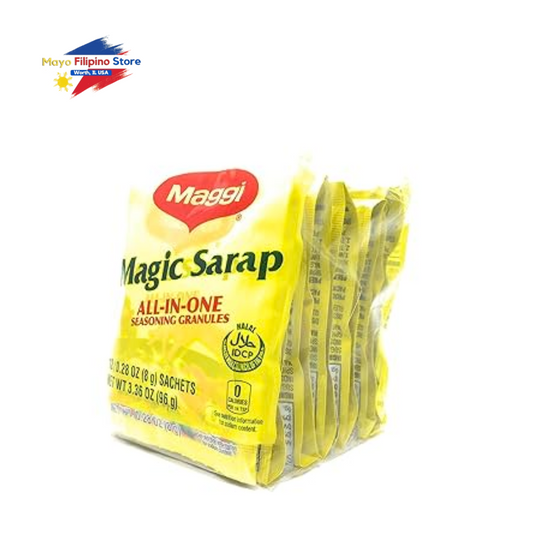
Seasonings, condiments, canned goods, noodles, coffee, crackers, candies, and cooking ingredients are easy to store and easy to add to a larger order. These are the products that support everyday cooking: sinigang on a rainy night, ginisang sardinas for breakfast, pancit for a quick family meal, or a rice-and-ulam dinner built from dependable cupboard items.
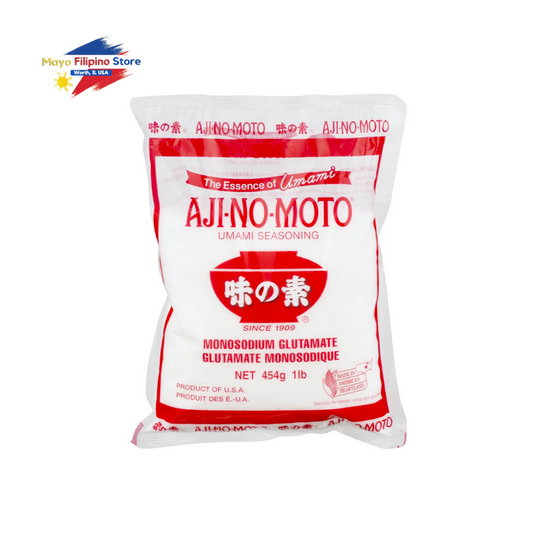
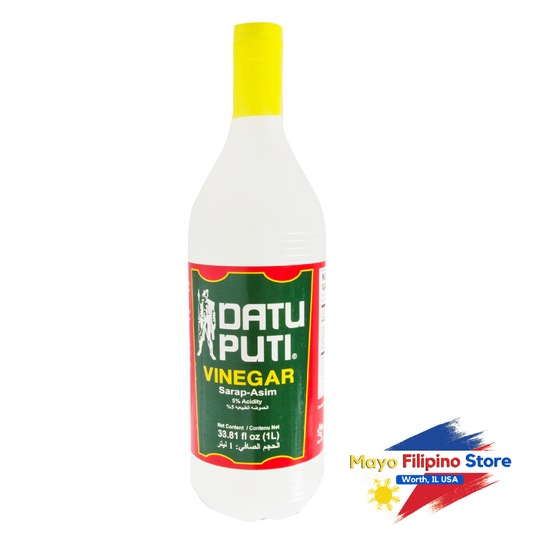
Customers are also more likely to shop by recognizable labels. They may search for a particular brand of vinegar, evaporated milk, seasoning, or biscuit because they already know its taste and how it works in a recipe. Clear product names, pack sizes, and category organization matter because shoppers often arrive knowing exactly what they need.
Frozen and bakery items raise the value of delivery
Frozen Filipino food has become a key part of online orders because it saves preparation time without removing the familiar flavors people want. Lumpia wrappers, longanisa, Filipino hotdogs, tocino, frozen fish, and ready-to-cook specialties can turn a routine grocery shipment into a practical meal plan.
Bakery items serve a different purpose. They are often bought for comfort, sharing, and small moments of connection. A customer may order pandesal for breakfast, piaya for an afternoon snack, or a favorite sweet treat to send to a relative. These products make a Filipino grocery order feel less like a pantry transaction and more like a way to maintain food traditions at home.
Delivery Convenience Does Not Replace the Need for Trust
Convenience starts the purchase, but trust decides whether customers return. Filipino groceries include products where quality and handling matter. Frozen foods need careful packing. Bakery items should arrive in good condition. Shelf-stable goods should have clear descriptions, and customers need confidence that the products are authentic, properly stored, and packed with attention.
Shipping costs and delivery timing also shape what shoppers place in their cart. A small order of a few low-cost items may not feel worthwhile once shipping is added. For that reason, customers increasingly build larger, more useful baskets: pantry staples for the month, snacks for the household, and frozen items for upcoming meals. This can be more economical than placing several small orders.
There is still a trade-off. A nearby Filipino market can be better for an immediate craving, fresh produce, or a last-minute party need. Online delivery works especially well for planned restocks, hard-to-find favorites, and households located far from a specialty store. The best option depends on distance, order size, storage space, and how soon the food is needed.
Filipino Grocery Delivery Trends Favor Intentional Shopping
Online carts are becoming more organized around how people actually cook and eat. Rather than buying only by department, shoppers build orders around meal occasions. A sinigang restock may include tamarind soup mix, fish sauce, rice, and canned or frozen proteins. A merienda order may include coffee, biscuits, wafer snacks, and sweets. A celebration basket may combine lumpia supplies, sauces, frozen specialties, and dessert items.
This behavior is especially common among younger Filipino American shoppers who are learning or revisiting family recipes. They may know the dish they want to make but not every ingredient brand. Product descriptions that identify common uses can reduce uncertainty without overcomplicating the purchase. Calling out whether an item is for adobo, pancit, arroz caldo, halo-halo, or everyday snacking gives useful context to both experienced cooks and first-time buyers.
It also helps when stores recognize that Filipino households do not shop only for food. Beauty products, household essentials, and culturally specific everyday items are often part of the same need. Adding these categories to an order saves time and makes an online Filipino store more practical for regular household shopping.
What This Means for Filipino Food Shoppers
The smart approach is to treat delivery as part of a regular grocery rhythm. Keep a short list of essentials that run out quickly, such as rice accompaniments, instant noodles, coffee, sauces, canned goods, and favorite snacks. Then add frozen or bakery items when planning meals for the week or preparing for a gathering.
It is also worth checking package sizes before ordering. A larger bottle of a commonly used condiment may make sense for a family that cooks Filipino food several times a week, while a smaller size is better for someone trying a new recipe. Frozen food requires freezer space, and bakery products are best ordered when they can be enjoyed or shared soon after arrival.
For customers outside major Filipino communities, delivery can make traditional cooking more realistic instead of occasional. Mayo Filipino Store reflects this demand by bringing pantry, frozen, bakery, snack, beauty, and household categories together for customers who want familiar products without piecing an order together across several retailers.
The lasting value of Filipino grocery delivery is simple: it gives households more ways to keep the foods they grew up with, learned to love, or want to share on the table. A well-planned order can support an ordinary week just as easily as it can help make Sunday breakfast, merienda, or a family celebration feel right.
Shop now at www.MayoFilipinoStore.com for delivery across the USA! 🇺🇸🇵🇭